University of Cincinnati Kicks Off Shifting Paradigms
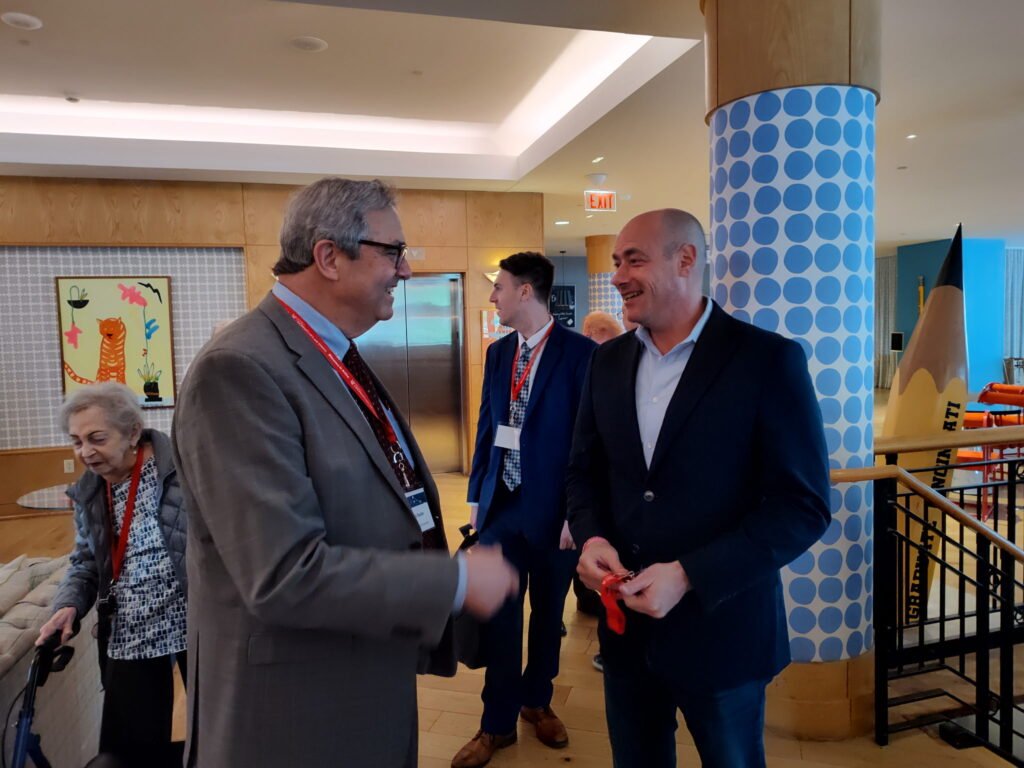
CINCINNATI — On Sunday, April 19th, the University of Cincinnati (UC) chose to lean into complexity rather than retreat from it. The kickoff of “Shifting Paradigms,” a three-day conference, served as more than just an academic gathering; it was a powerful reminder that constructive, nuanced conversation about the Middle East can still thrive on a modern campus. Hosted by UC and supported by the Jewish Foundation of Cincinnati, the Academic Engagement Network, and the American Jewish Committee (AJC), the event brought together diplomats, scholars, and local leaders to examine the Abraham Accords not as a static historical moment, but as a transformative pivot toward a new regional future.
Critically, this conference is a cornerstone of UC’s growing Israel Studies program under the leadership of Dr. Mark Raider. The university plans to eventually transition this initiative into a formal certificate program for undergraduates, serving as a deliberate strategic counterbalance to UC’s Middle East Studies and Peace Studies programs. Those existing programs have historically been critical of Israel, at times venturing into rhetoric characterized by many as the demonization and delegitimization of the Jewish state. By bolstering Israel Studies, UC is moving to restore an intellectual equilibrium that has long been missing from the campus square.
If this weekend was a test of whether a modern university can still function as a true marketplace of ideas, UC decidedly passed. The path to the event was fraught with friction; before the first speaker took the stage, Students for Justice in Palestine issued a sharp critique, claiming the Palestinian National Liberation Movement cited the Abraham Accords as the catalyst for the October 7th attacks and dismissing the Accords as a false blueprint for peace. The University took these challenges seriously, ensuring a large police presence to guarantee that a “heckler’s veto” would not be allowed to stall the event or silence the speakers.
Inside, the atmosphere was one of determined optimism. The conference opened with voices currently in the region, featuring Dr. Yossi Beilin and Dr. Hiba Husseini. Despite the “grim” realities of the current conflict which required them to attend via Zoom, their shared history as architects of the Oslo Accords provided a seasoned perspective on the necessity of “doing the right things” to achieve peace. Their dialogue underscored a central theme: even when public support for traditional solutions feels low, leadership and persistent diplomacy remain the only viable ways forward.
The most refreshing part of the day was seeing the next generation of PhD students present research that was as diverse as it was disciplined. Their work covered everything from the history of Zionism among American Jews to the pivotal role of Ralph Bunche in the 1948 armistice. This wasn’t a one-dimensional rally, but a sophisticated scholarly environment where research stayed firmly on the line of rigorous inquiry, refusing to venture into the reductive demonization that has become a hallmark of campus activism elsewhere. One of the most fascinating talks came from Dr. André Villeneuve, who addressed the legal nuances of the Aramean movement and Israel’s 2014 decision to officially recognize Arameans as a distinct ethnicity—a move that allows local Christians to reclaim an identity separate from the Arab label.
Congressman Greg Landsman closed the night by calling out the “digital rot” and social media propaganda that makes conferences like this so dangerous to organize. While candid about the challenges of modern political warfare, his message was ultimately one of resilience. He challenged the audience to fight back against the reductive narratives pushed online by maintaining the very thing this conference achieved: a commitment to better, more informed conversation. “Shifting Paradigms” showed us that there is still an appetite for reason. It shouldn’t require a small army of police to discuss the future of the Middle East, but as long as there are those who wish to silence the dialogue, the only response is to speak louder, speak clearly, and refuse to back down. Cincinnati showed us this week that the light of reason is still flickering—we just have to be brave enough to keep it lit.
