Animal Farm Brings Orwell’s Warning to a New Generation
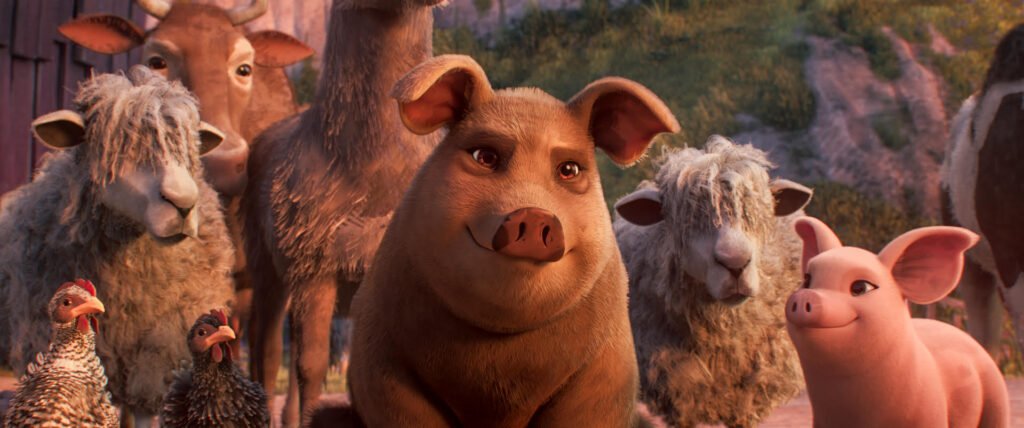
There is a reason Animal Farm continues to trouble readers and viewers across generations. Beneath its familiar barnyard setting is a warning about pride, fear, persuasion, and the subtle ways people learn to look away from what they know is wrong.
Angel Studios’ animated Animal Farm, directed by Andy Serkis and written by Nicholas Stoller, brings George Orwell’s 1945 classic into a contemporary animated form. The film is visually energetic, with enough humor and character appeal to draw in younger viewers while still preserving the seriousness of Orwell’s story.
The animals’ desire for freedom is easy to understand. They are tired of being used, ignored, and worked for someone else’s benefit. They want fairness. They want dignity. They want a world in which their labor is not turned against them. Yet the movement that begins with justice is soon corrupted by those who know how easily words can be bent.
By the time Orwell’s famous line appears — “All animals are equal, but some animals are more equal than others” — the contradiction is no longer hidden. It is the point. Equality has been emptied of meaning and refilled with privilege.
This is what gives Animal Farm its enduring relevance as a moral tale. Corruption does not always appear first as open cruelty. It often begins with a small compromise made in the name of unity, peace, or necessity. A rule is bent before it is broken. A lie is excused before it is repeated. An objector is shamed before being removed. Over time, history is revised until memory itself becomes inconvenient.
Orwell’s original allegory was shaped by the betrayal and brutality of Stalinism after the 1917 Russian Revolution. That history remains important, but the warning reaches beyond a single regime or century. The film asks viewers to consider how propaganda, fear, flattery, resentment, and selfishness can prepare ordinary people to follow destructive leaders.
In a community shaped by Jewish memory, the consequences of propaganda, public silence, and dehumanization are not theoretical. History has shown what happens when lies are repeated loudly enough, when neighbors learn to look away, and when another person’s suffering becomes acceptable because it is politically useful or socially convenient.
The film brings that danger back into view through its animal characters. Cliques form. Pain is exploited. Material comfort becomes a means of control. Those willing to work for the common good are used, while those willing to ask honest questions are treated as threats. The tragedy is not only that tyrants rise, but that ordinary creatures help them rise by surrendering conscience little by little.
This pattern reaches back far beyond modern political revolutions. Cain’s resentment of Abel is one of Scripture’s earliest portraits of wounded pride hardening into violence. The question “Am I my brother’s keeper?” still echoes through every society that excuses cruelty, envy, or indifference when it appears useful.
Seen this way, Animal Farm is more than a children’s animated film or political allegory. It is a moral tale about freedom, memory, and responsibility. True freedom is not merely escape from an outside oppressor. It is the strength to resist pride, cruelty, and fear when they begin to sound reasonable.
The guiding question remains simple: Would you want that done to you?
RJ Cinema Distillery & Taproom, located at Jungle Jim’s International Market Eastgate, also added to the experience with its thoughtful attention to guest comfort. The responsive manager went above and beyond, creating the kind of hospitable setting that makes a movie outing memorable before the film even begins.
